


 52 55 5550 5059





In international trade, choosing the right shipping line is a key decision that directly impacts costs, transit times, and cargo security. However, not all shipping lines operate the same way or offer the same services.
Understanding the different types of shipping lines, the vessels they use, and their relationship with ports can help you make more strategic decisions in your global operations.
What is a Shipping Line?
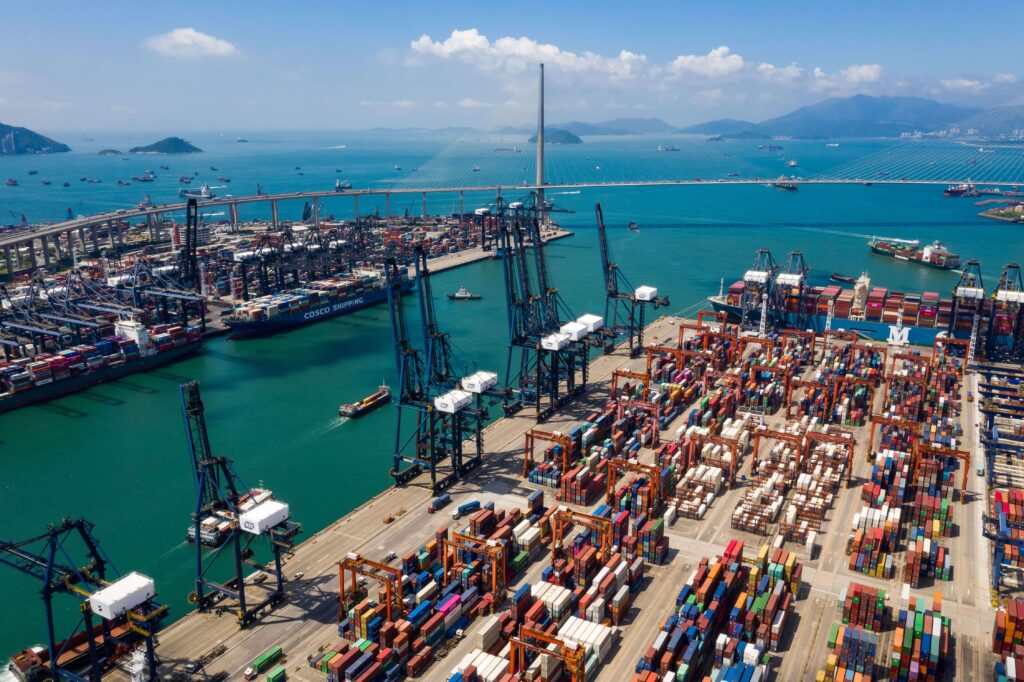
A shipping line is a company responsible for transporting goods by sea between countries. They are essential players in the global supply chain and operate in coordination with logistics providers, ports, and customs authorities.
In practice, many companies do not work directly with shipping lines but through a freight forwarder, who manages routes, space availability, and rates more efficiently.
Types of Shipping Lines
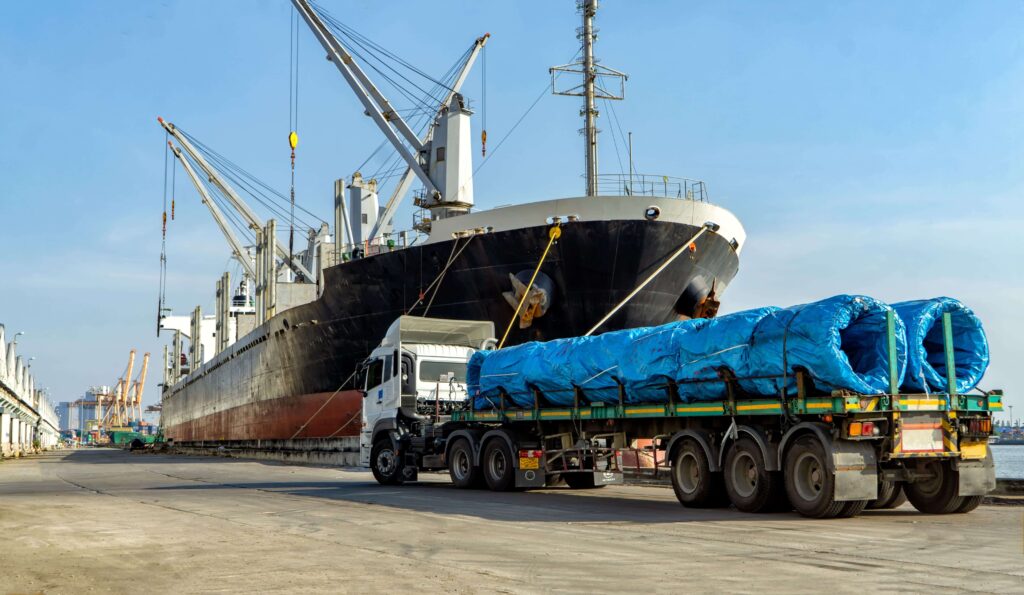
Shipping lines can be classified based on the type of service they offer:
1. Liner Shipping Lines
They operate on fixed routes with scheduled departures.
- Ideal for containerized cargo
- Reliable transit times
- Regular service frequency
2. Tramp Shipping (Charter Services)
They do not follow fixed routes and operate on demand.
- Used for bulk cargo or special projects
- More flexibility
- Less frequent schedules
3. Specialized Shipping Lines
They focus on specific types of cargo, such as:
- Refrigerated cargo (reefer)
- Automotive (Ro-Ro)
- Oversized or project cargo
- Bulk cargo (liquid or dry)
Top 5 Shipping Lines Worldwide
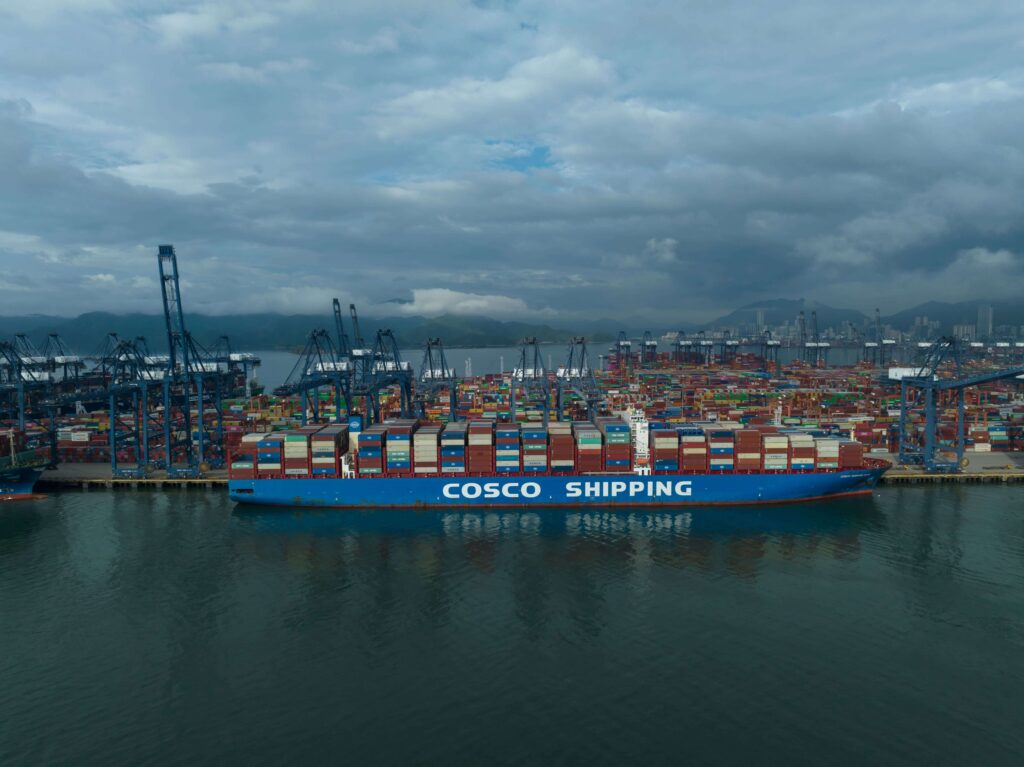
These are some of the leading global shipping lines:
1. MSC (Mediterranean Shipping Company)
- The largest container shipping line in the world
- Extensive global network
2. Maersk
- Leader in integrated logistics
- Strong presence in the Americas and Asia
3. CMA CGM
- Wide global coverage
- Strong presence in Latin America
4. COSCO Shipping
- Major Chinese state-owned company
- Strong in Asia–America trade routes
5. Hapag-Lloyd
- Strong focus on container shipping
- Solid presence in Europe and the Americas
Main types of vessels
Depending on the cargo, different types of vessels are used:
- Container ships: the most common for international trade
- Bulk carriers: used for commodities like grains and minerals
- Tankers: for liquids such as oil and chemicals
- Ro-Ro vessels (Roll-on/Roll-off): for vehicles and machinery
- Reefer ships: for temperature-controlled goods
Key Ports in Mexico
Mexico has a strategic port infrastructure on both the Pacific and Gulf coasts.
Pacific Ports:
- Manzanillo: the largest container port in Mexico
- Lázaro Cárdenas: key for trade with Asia
- Ensenada: important for the West Coast
Gulf Ports:
- Veracruz: the main commercial port in the Gulf
- Altamira: strong in industrial cargo
- Progreso: relevant for the southeast region
Choosing the right port can significantly impact transit times, costs, and overall logistics efficiency.
How to choose the right Shipping Line
There is no single best option. The right choice depends on:
- Type of cargo
- Origin and destination
- Urgency
- Budget
- Shipping frequency
This is where working with a freight forwarder becomes essential. A professional partner can compare options, optimize routes, and negotiate better conditions with different shipping lines.
Shipping lines are a fundamental part of international logistics, but choosing the right one requires more than comparing rates. It involves understanding service types, transit times, ports, and cargo requirements.
At Remar International, we help you make strategic decisions through integrated logistics solutions. As a freight forwarder, we support you in selecting the best option for your operations, optimizing costs while ensuring efficiency in every shipment.
Follow us on Facebook, Instagram, X, and LinkedIn for more content and information on International Trade!