


 52 55 5550 5059





Mexico is one of the most active trading nations in the Americas thanks to its strategic location and access to both the Pacific Ocean and the Gulf of Mexico. This has enabled the development of major port terminals that facilitate import and export operations with markets around the world.
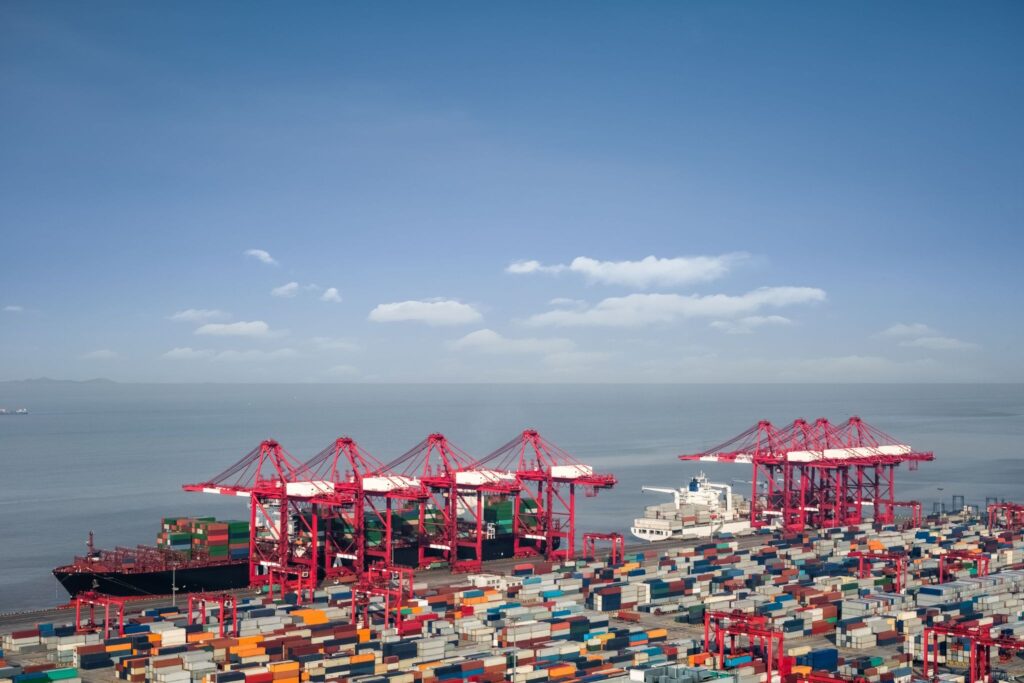
According to Mexico’s National Port System, the country has an extensive network of ports and maritime terminals distributed along its Pacific and Gulf-Caribbean coastlines. These facilities handle a wide variety of cargo, including containers, vehicles, agricultural products, minerals, and hydrocarbons, playing a key role in Mexico’s international trade activities.
For companies involved in international trade, understanding Mexico’s main ports is essential for optimizing logistics, transit times, and operational costs.
What is a Port Terminal?
A port terminal is a specialized facility within a seaport where cargo is loaded, unloaded, stored, and handled.
Depending on the type of cargo, terminals may specialize in:
- Containers
- Agricultural bulk cargo
- Mineral bulk cargo
- Hydrocarbons
- Vehicles
- General cargo
These facilities play a critical role in the international supply chain.
What are the most important port terminals in Mexico?
1. Port of Manzanillo (Colima)
Manzanillo is Mexico’s busiest container port and one of the most important ports in Latin America.
Its location makes it a strategic gateway for trade with Asia, particularly China.
Main operations:
- Imports of manufactured goods
- Exports of industrial products
- Containerized cargo
2. Port of Lázaro Cárdenas (Michoacán)
Lázaro Cárdenas is one of Mexico’s most modern ports and has significant expansion capacity.
It features specialized infrastructure for handling large cargo volumes and rail connections to central and northern Mexico.
Main operations:
- Containers
- Vehicles
- Industrial products
- Trade with Asia
3. Port of Veracruz
Veracruz is the main commercial port on the Gulf of Mexico and one of the oldest ports in the country.
Recent expansions have strengthened its capacity to handle international trade operations.
Main operations:
- Containerized cargo
- Vehicles
- Agro-industrial products
- Trade with Europe and the U.S. East Coast
4. Port of Altamira (Tamaulipas)
Altamira is one of Mexico’s leading industrial and logistics hubs.
It has a strong presence in industries such as:
- Petrochemicals
- Energy
- Manufacturing
- Automotive
Main operations:
- Liquid bulk cargo
- Chemical products
- Containers
- Industrial cargo
5. Port of Ensenada (Baja California)
Its proximity to the United States makes it a strategic option for international trade operations in northwestern Mexico.
Main operations:
- Containers
- Agricultural products
- Fishing industry cargo
- Trans-Pacific trade
6. Port of Progreso (Yucatán)
Progreso is the most important port in southeastern Mexico.
Its commercial activity has grown alongside the region’s industrial and tourism development.
Main operations:
- Agricultural bulk cargo
- Fuel products
- Industrial goods
- Regional trade
Which port should you choose for importing or exporting?
There is no single best port. The right choice depends on factors such as:
- Country of origin or destination
- Type of cargo
- Logistics costs
- Transit times
- Available infrastructure
- Rail and road connections
For example, companies importing goods from China may benefit from using Manzanillo or Lázaro Cárdenas, while operations involving Europe may find Veracruz to be a more strategic option.
What is the role of a customs agency in Mexico?
In addition to selecting the right port, companies must ensure compliance with all customs and regulatory requirements for importing and exporting goods.
A customs agency in Mexico can assist with:
- Tariff classification
- Customs entry preparation
- Compliance with non-tariff regulations and restrictions
- Coordination with customs authorities
- Import and export documentation management
This support helps reduce risks, avoid delays, and maintain compliance with current regulations.
Port terminals are a fundamental component of Mexico’s international trade infrastructure. Ports such as Manzanillo, Lázaro Cárdenas, Veracruz, Altamira, Ensenada, and Progreso connect Mexican businesses with markets around the world.
Selecting the right port can make a significant difference in costs, transit times, and overall competitiveness.
At Remar International, we provide international logistics solutions and services as a customs agency in Mexico, helping businesses optimize their foreign trade operations from start to finish.
Follow us on Facebook, Instagram, X, and LinkedIn for more content and information on International Trade!